     |























"Fill your hand, you son of a bitch!"
—The Kid
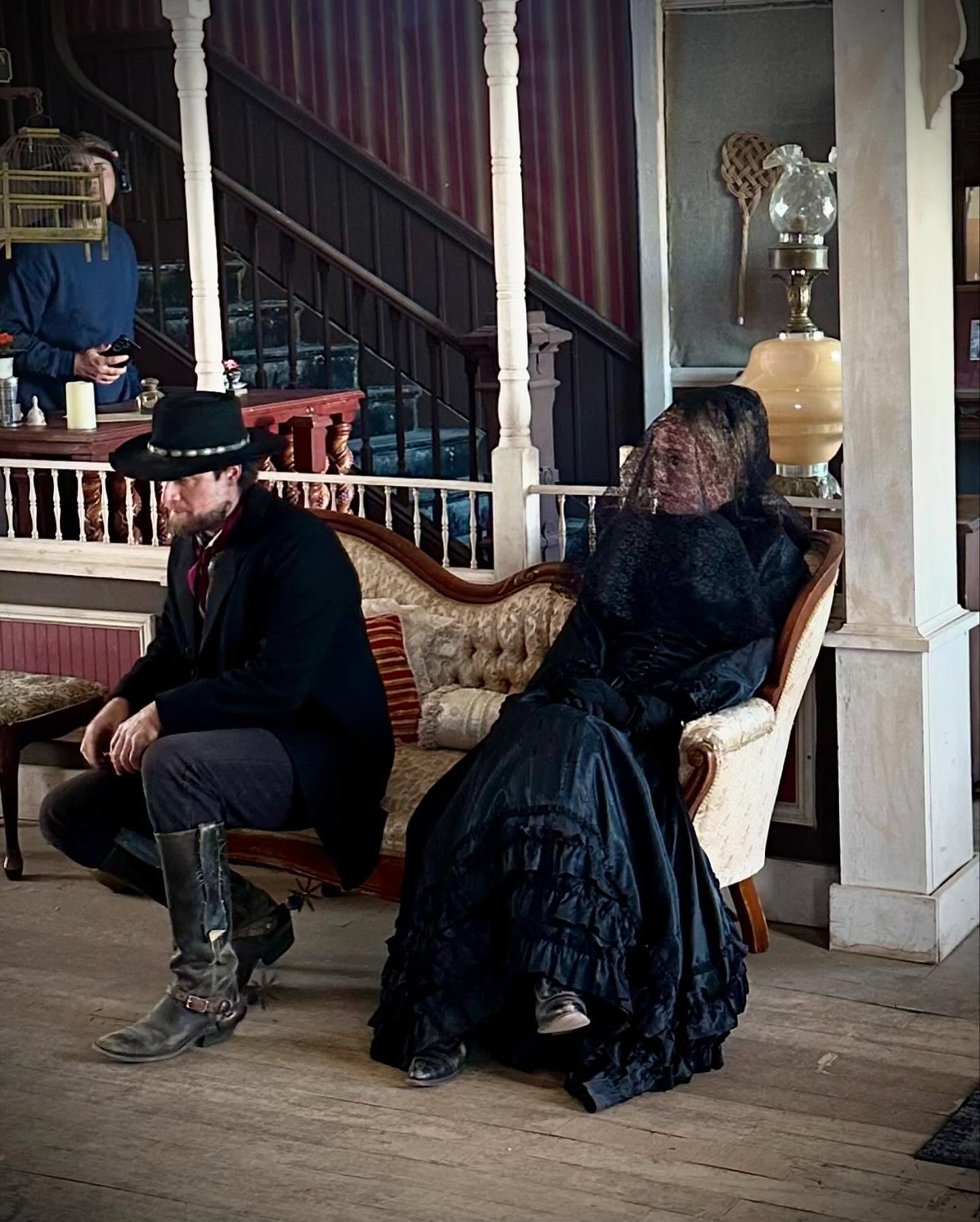
Shayn plays "The Kid," who works for Colonel Chandler on his ranch, and escorts his pious daughter, Rose Chandler, around the dangerous town. You don't want to be on the Kid's bad side... which is a trick, since there's no good side. Recently the Kid rode in a posse organized by Sheriff Purdy, and during the pursuit he shot the notorious bandido Segundo Zamora right between the eyes. This did not sit well in the (identical) eyes of Segundo's brother, Primitivo Zamora. Now the Kid is looking for trouble with our hero, Strindler.
Shayn played the role of Morgan Earp in Alex Cox's Tombstone Rashomon (2017) and also appeared in Bill the Galactic Hero (2014). He is also known for Scream Therapy (2023), and She Was the Deputy's Wife (2021). He is from Loveland, Colorado, but currently makes his home in Los Angeles with wife Annie Herndon. Anybody who ran across him having breakfast daily at the bar of the Horseshoe Cafe in Benson, AZ, during the course of shooting this film knows that he's much nicer than "The Kid"—who was known for his...
 |
 |
 |
 |
 |
|
 |
 |

|
|
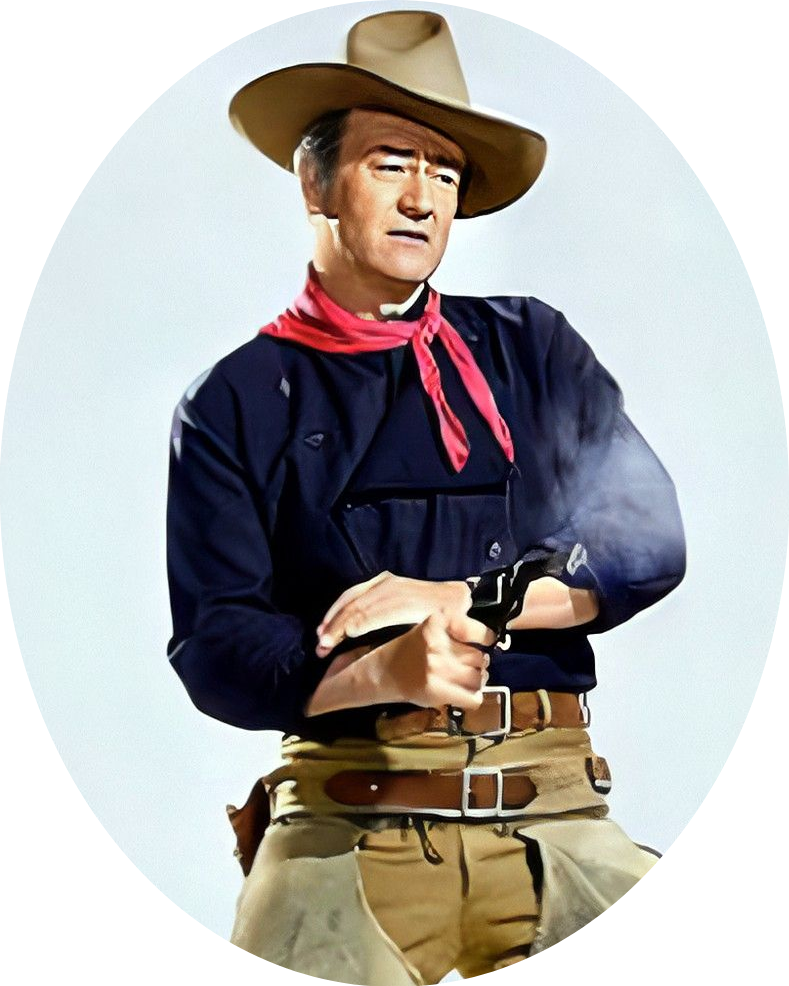
Historians say that the last notable American duel actually occurred in San Francisco in 1859, and was called the Broderick-Terry Duel, using single shot dueling pistols. Broderick was mortally wounded and became a martyr for the cause of Abolition, while the victor, Terry, was arrested (but acquitted). Although there were cases of traditional dueling after that, such as the J.B. "Wild Bill" Hickok - Davis K. Tutt gun battle in Springfield, Missouri in 1865,² dime novelists made most of it up. By the time of Strindler and The Kid in the 1890s, they would actually be imitating the dime novels rather than inspiring them, as the frontier itself was dying away... although shootists like The Kid carried on some of the old traditions, such as deadly shooting contests like this... and...


|
A massive influx of Anglo-American settlers overran the Mexican American populations. Although granted de facto "white" racial status with the United States conquest of much of Mexico in 1848 and having sometimes been deemed as "white" by the courts and censuses, Mexican Americans were rarely treated as "white" by other "whites." They faced racial discrimination and even lynching. Many lost their property after the passage of the California Land Act of 1851 because they could not prove they legally owned the land. Justice is blind, especially when it's supposed to be witnessing a crime against a minority.
Mexican Americans were relegated to low-status positions as laborers with the worst-paying jobs under the worst working conditions. They worked as peóns (manual laborers similar to slaves), vaqueros (cattle herders), and cartmen on cattle ranches like Chandler's, or they undertook the most hazardous tasks in mines like Oso's.
The living conditions to which they were relegated lacked basic sanitary requirements and were at high risk for outbreaks of disease. They endured harsh weather, an uncertain economy, and the possibility of attacks by both white citizens and Native American raiders. Law enforcement was scarce, while new laws were passed that were intended to deprive them of their heritage as much as their lands. "Sunday Laws" prohibited "noisy amusements" such as bullfights, cockfights, and other cultural gatherings common to Mexican American communities. "Greaser Laws" permitted the imprisonment of any unemployed Mexican American on charges of vagrancy.³
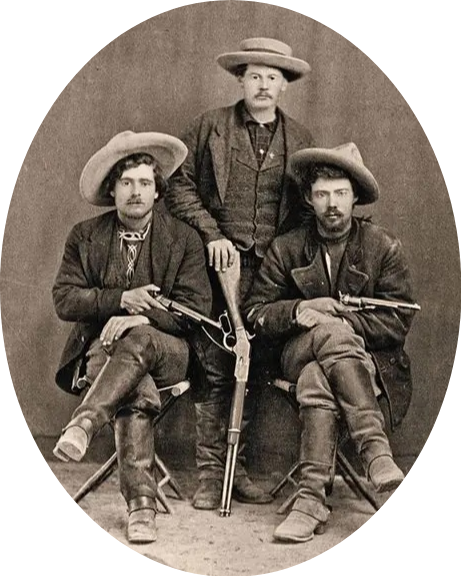
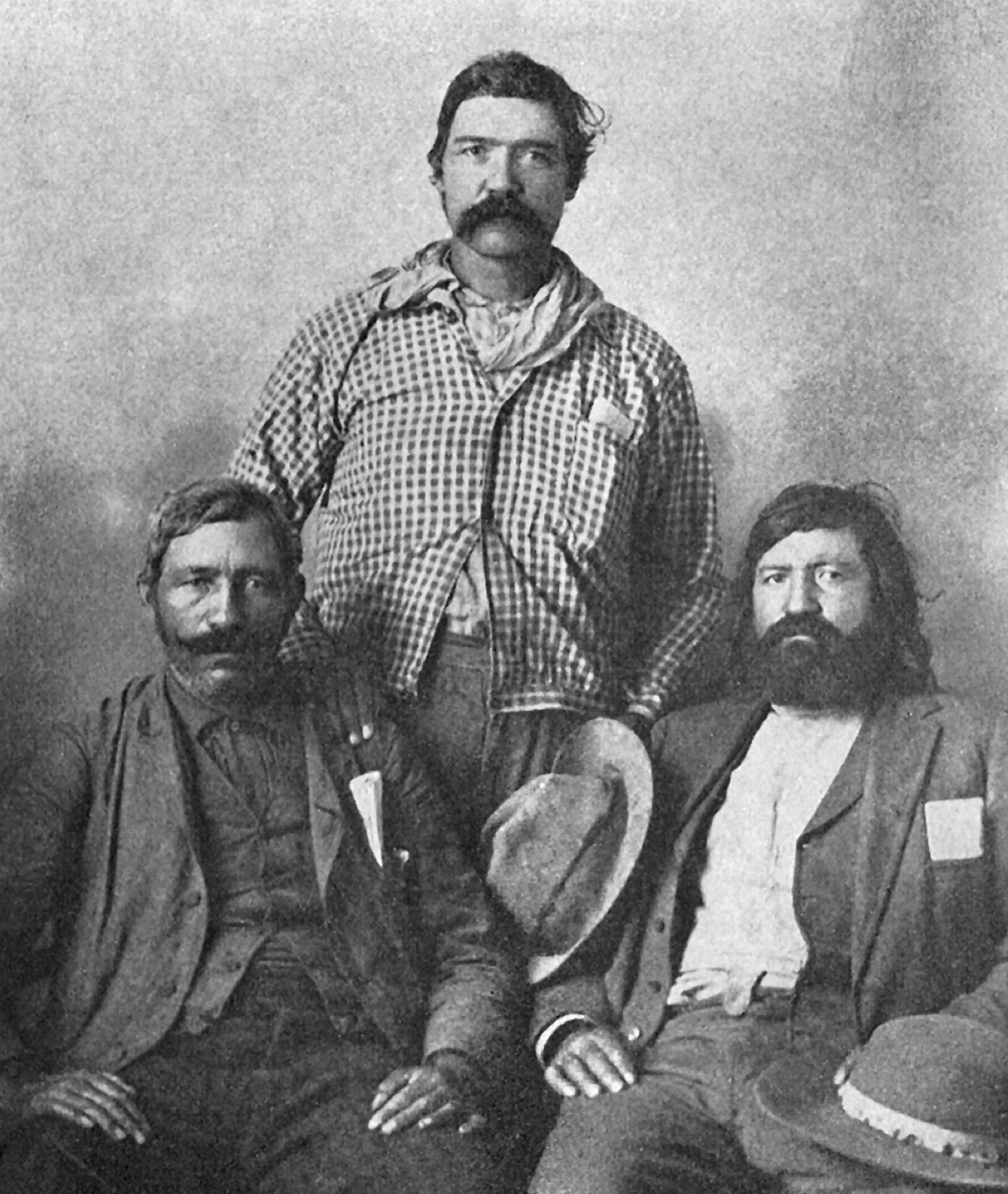
Despite this, the Southwest saw an explosion of immigration starting in the 1890's—during the time of this film—when the need for cheap labor had drawn another 75,000 Mexicans to the United States. Growing industries in the Southwest like the railroads and agriculture required cheap exploitable labor and pushed the government to turn a blind eye toward their immigration, while locals whites blamed them for coming and responded harshly. In response, "Las Gorras Blancas" (Spanish for "The White Caps," seen in thee above photo) formed in the American Southwest at this time, using intimidation and raids to fight back, both legally and illegally—possibly including the Zamora brothers. Fighting crime with crime, at least four dozen of the Gorras Blancas were eventually indicted for their activities, but none was convicted.
NOTES ON THIS PAGE
¹—"Old West Gunfights, Guns & Methods, The Truth vs. Fiction," by Dave Rodgers, The Frontier American Illustrated News, Dec 10, 2024.
²—"Wild Bill's Shootout: The Nation's First Quick Draw Duel," City of Springfield website. A great, great, great, great uncle of mine actually witnessed it (he lost an eye in a bar fight shortlyb after, so he never really showed good judgement).
³—"Battling Racism: Chinese and Hispanic Americans:" Lumen United States History, Chapter 16: "Go West Young Man!" Westward Expansion, 1865-1900
