|
|
 |




"My Mexicans are a lazy crew, half-drunk most of the time. Useless for work. Half of them have run off, or died of fever."
—Colonel Chandler
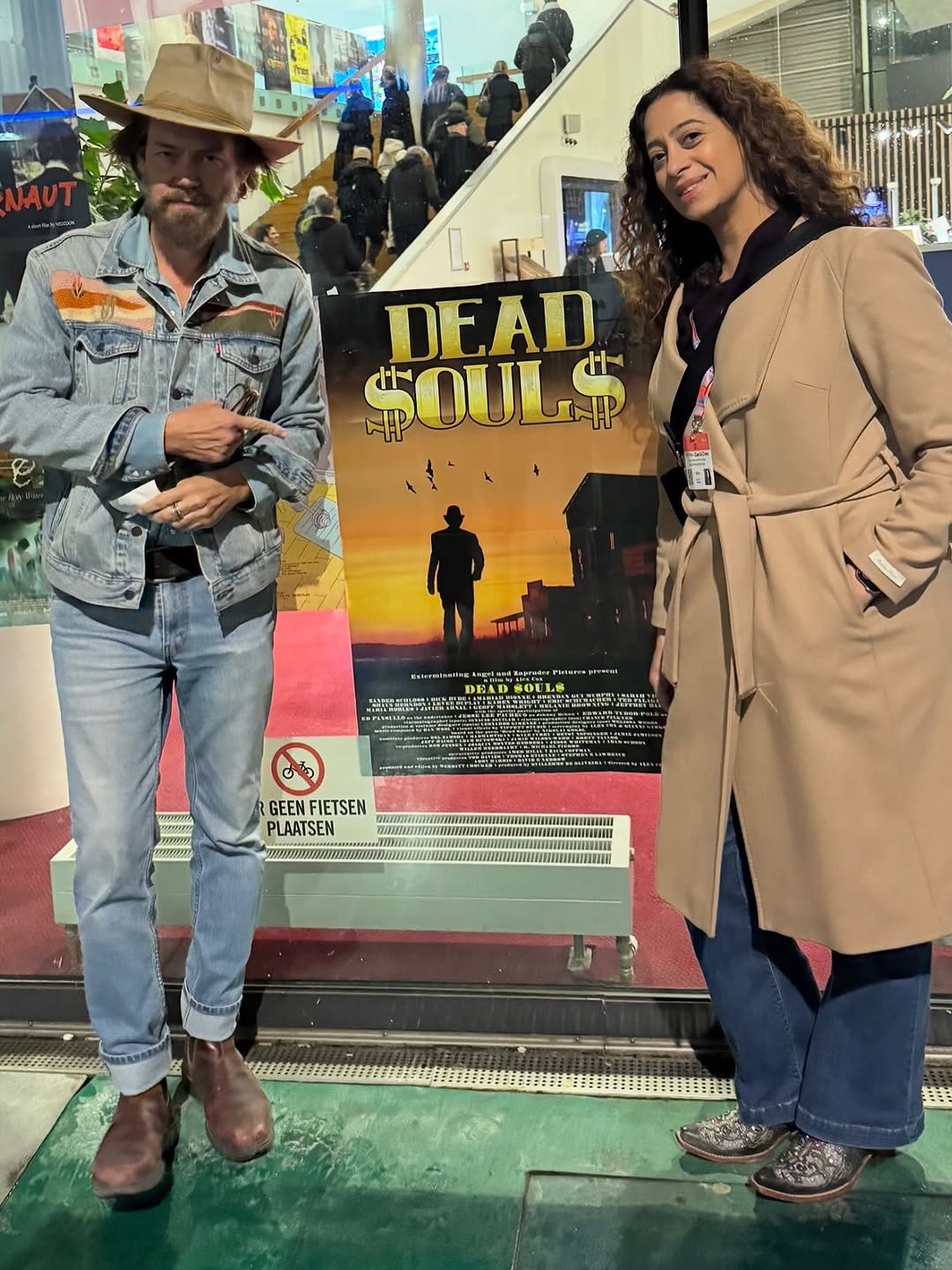
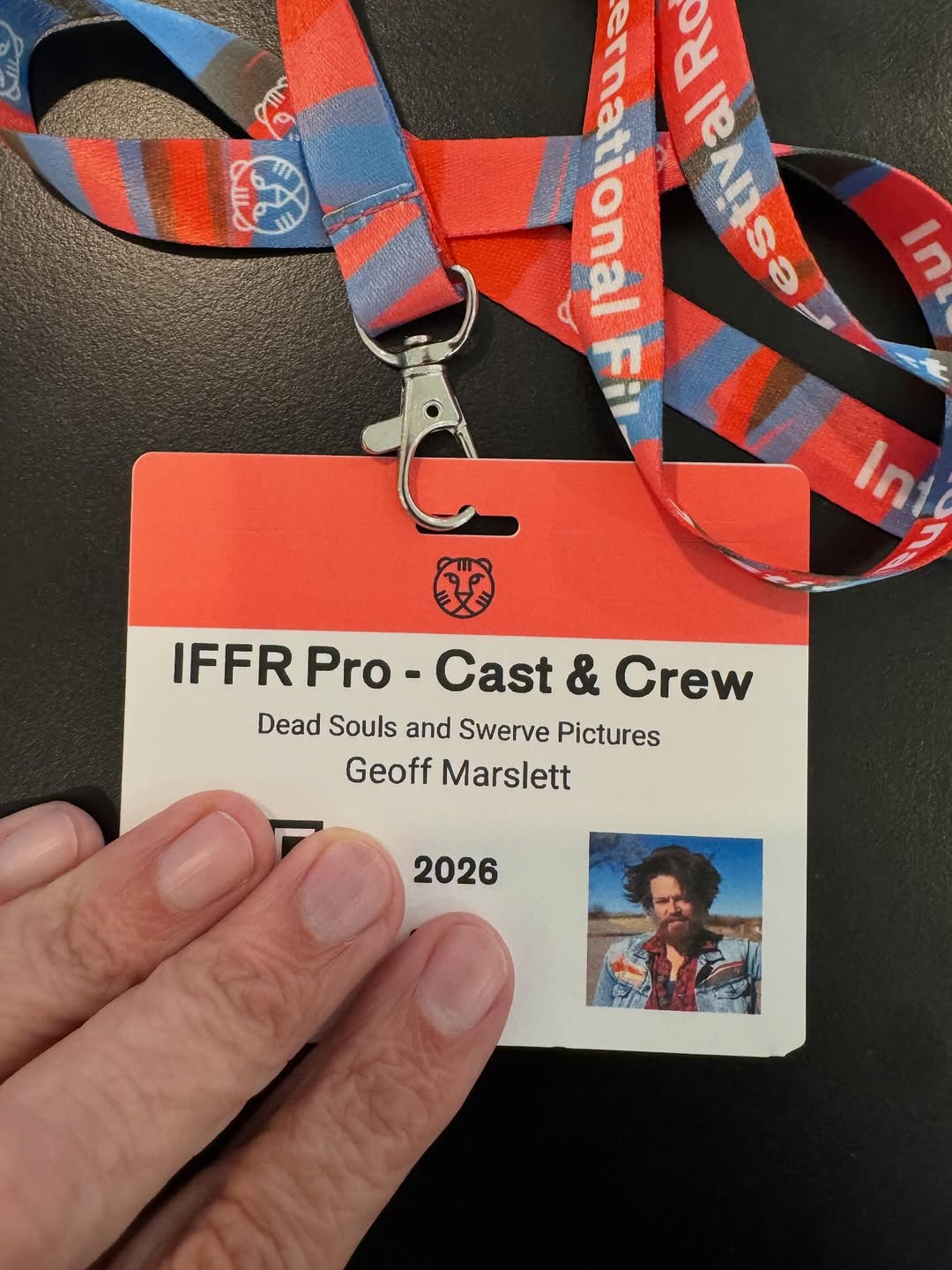
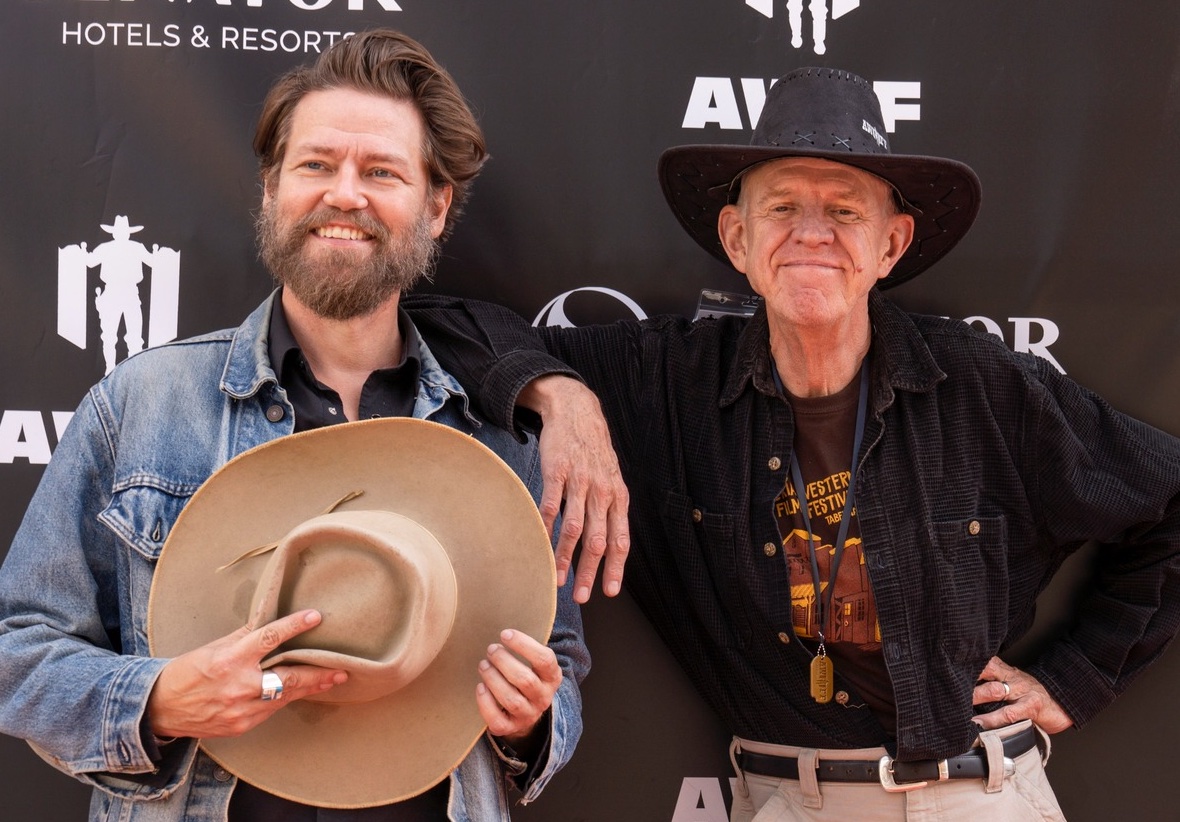
Geoff Marslett plays the misanthropic Colonel Chandler, who owns a big ranch, outside of town. In addition to being a fine actor, Marslett is a director, writer, producer, and animator who grew up in North Texas. After high school he studied philosophy and math at St. John's College in Santa Fe, New Mexico and Annapolis, Maryland where he earned his BA from their Great Books Program in 1996. In 2000 he received his MFA in film production from the University of Texas at Austin. While in graduate school he completed his first animated short Monkey vs. Robot. This 2½-minute short was based on a punk rock song by musician and comic artist James Kochalka. The short was completed in 1999 and went on to play over a dozen major film festivals including Palm Springs Shorts Festival (1999), The Dallas Video Fest (1999), Taos Talking Pictures Film Festival (2000), South by Southwest Film Festival (2000), and Slamdance Film Festival (2001). It won jury awards at MicroCine Film Festival in Baltimore, Maryland and CinemaTexas in Austin, Texas, and was then included as a part of 'Spike and Mike's Classic Festival of Animation vol. 7' and 'Spike and Mike's Sick and Twisted Festival of Animation' in theatres. It also appeared on television including airing on PBS' EGG, the Arts Show, Univision, and HBO Central Europe. It won jury awards at Cinematexas Film Festival and Microcine Film Festival in 1999. The Phoenix New Times said "it should become the new national anthem" and Cashiers du Cinemart said "that it's something I'd like to start my mornings with every day for the rest of my life."
He has directed three narrative films: MARS, Loves Her Gun, and Quantum Cowboys, featuring Alex Cox, Lily Gladstone, Kiowa Gordon, John Way, Gary Farmer, Neko Case, John Doe, Howe Gelb, Patrick Page, Trieste Kelly Dunn, Frank Mosley and David Arquette. It is a "physics western," and premiered at the Annecy Film Festival in 2022 where it won the best music award. He also produced and acted in the experimental feature documentary Yakona and the film Before I Fade Away Into Nothing. He has appeared onscreen in films like Josephine Decker's Thou Wast Mild and Lovely (2014) and Alex Cox's Tombstone Rashomon, and even a TV guest starring role as the Unabomber (maybe trim the beard, Geoff). Oh yeah... and he also created the animated credits for this film.
Geoff currently resides in Austin, Texas and splits his time between filmmaking and teaching. Starting in 2001, he taught in the Radio-Television-Film department at The University of Texas at Austin. In 2009 he was awarded the university's top undergraduate teaching award "The Board of Regents Outstanding Teaching Award". He also taught at Carnegie Mellon School of Drama. He is currently an Associate Professor at the University of Colorado at Boulder Cinema Studies and Moving Image Arts Department. When he's not doing that he's spanning the globe raising funds for more feature films!²

Mexico deserves the credit for jumpstarting Arizona's cattle economy when a chain of missions were built across the Sonora desert in the 1700s, bringing cattle with them, some of which was given to Apache tribes throughout the region. These cattle were largely left to fend for themselves and began breeding in large numbers. Due to increasing hostilities in the 1840s, most Mexican ranches were abandoned. Then the United States saw victory in the Mexican-American War, which led to the acquisition of Texas, New Mexico, most of Arizona, and California in 1848. In 1862 the Homestead Act was passed, promising 160 acres of free land to anyone who would settle on and work it, starting a boom in the ranching industry. This brought about the rise of the "cowboy," derived from vaquero, a Spanish word for an individual who managed cattle ("vacca") while mounted on horseback. (In the Tombstone, Arizona, area during the 1880s, the term "cowboy" was used pejoratively to describe men who had been implicated in various crimes.) Many of the tools and practices used by Arizona cowboys, including the use of horses, were derived from methods that Spanish-speaking vaqueros had used since the 1500s.
Unfortunately, the number of cattle soon started to surpass the amount that the Arizona rangeland could support. A great drought of the 1890s was particularly tragic for the cattle industry: Over the next twenty years, cattle ranchers would see a continual decline in the quality of the rangelands they inhabited. During the bust of the 1890s, the taxable value of cattle declined almost in half from $12,769,572 in 1893 to $6,591,343 in 1900. Ranchers like Colonel Chandler were hit hard and struggled to survive any way they could. So if a stranger arrived and was paying good money for the names of dead cattle hands, how could he resist?
NOTES ON THIS PAGE
¹—"Update 4: Geoff Joins Us" by Alex Cox, 7/5/2024.
²—"Festival Report 5" by Alex Cox, 2/2/2026.

|