     |






















|
—Mr. Oso
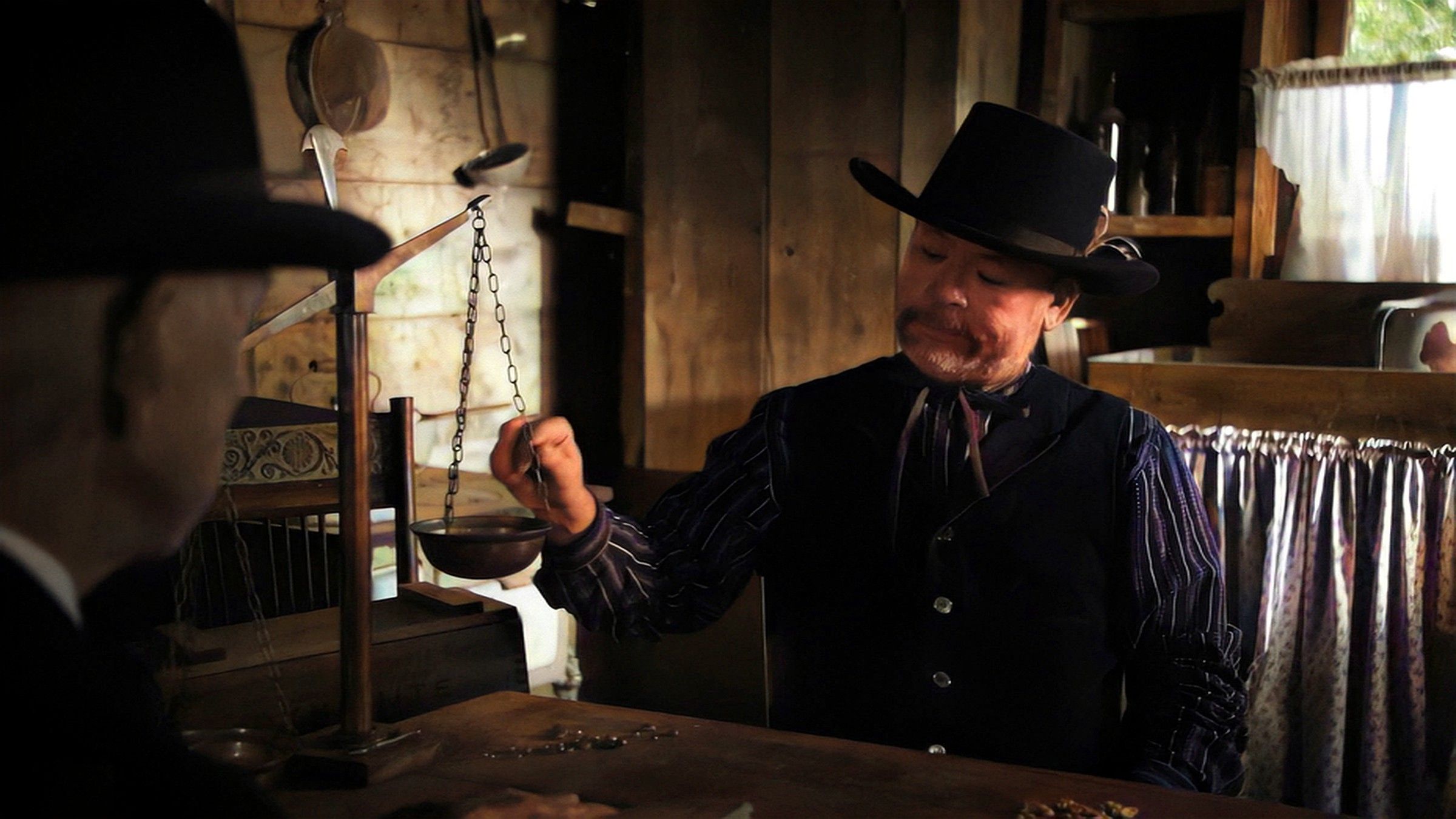
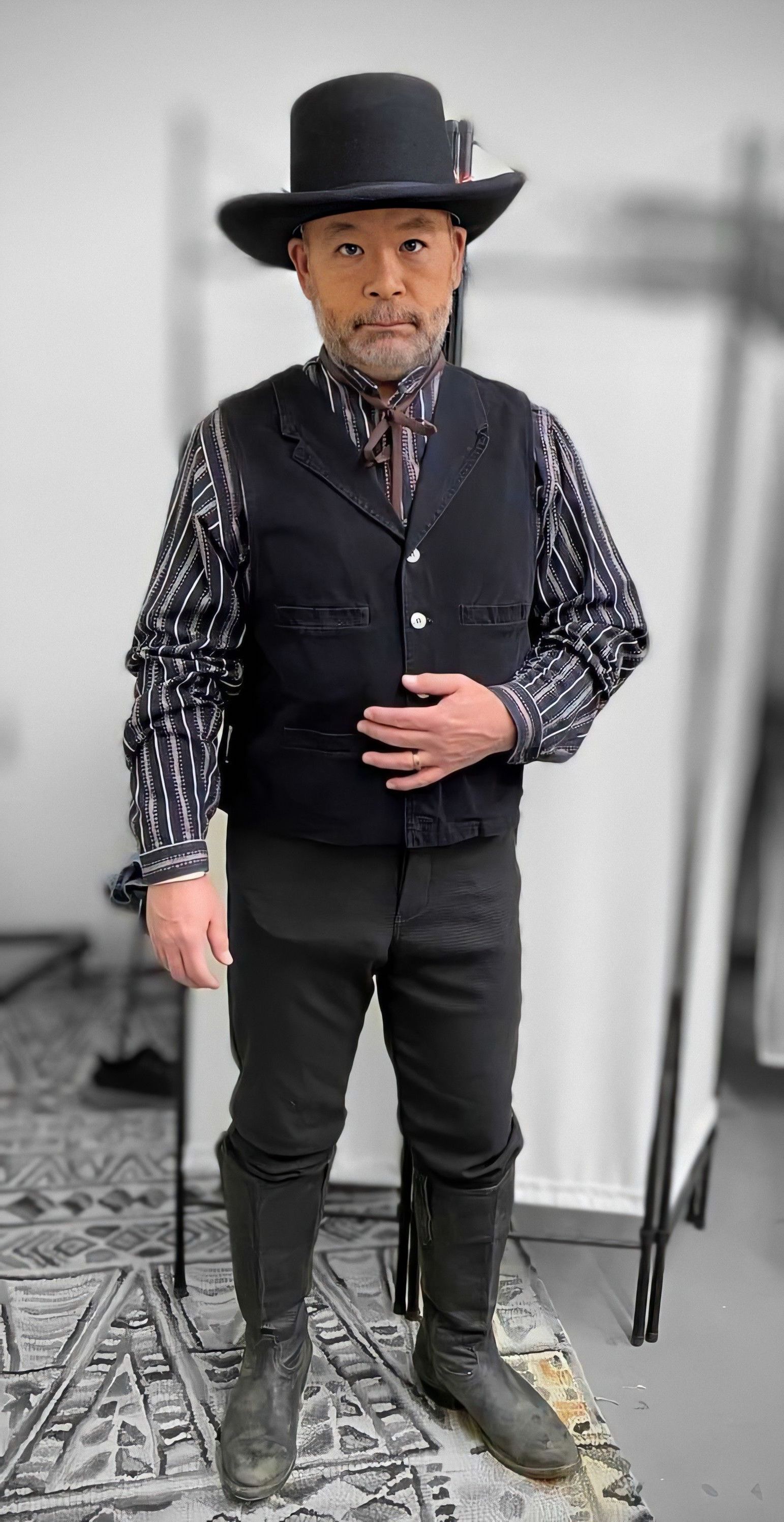
Ted Falagan plays "Mr. Oso," the owner of an open-pit copper mine, where he sends poor Mexican workers miles underground, deep into the mountain, down collapsing tunnels, where many bodies are buried... and hopefully a little copper, too, in order to make it worth Oso's while.
Falagan says of the experience, "Gosh, how to process getting the honor to work with Alex Cox. Today was magical. We rehearsed our scene together several times. He is a very kind, soft spoken man, with just the hint of an accent. He gave me very little direction, but, even though he is soft spoken, he can take control of a scene and a set instantly. I learned a lot watching him work. We got to talk about his films, and I had to tell him the story of how his movie, Repo Man, was one of the first films I ever rented as a kid—his face lit up with a giant smile, and he told me many fantastic stories about the making of that movie. Mr. Cox is a true Hollywood maverick." Falagan adds, "I learned so much working with Mr. Alex Cox. Maybe I'm making a bigger deal about it than it actually was, but to talk to him one-on-one, to hear stories about his films—about Repo Man, in particular—while sitting just inches away from him, will stay with me forever. To have him shake my hand and say, 'Ted, it was a pleasure' is mind-boggling. I'm a lucky bastard." But one place that was NEVER a pleasure to work was in a copper mine in the Old West...


The large-scale mining of copper had its western origins in the late 1800's, primarily in Arizona, with the advent of copper wiring for electricity and telegraph communication. The first copper strike in Arizona by an Anglo was by Henry Clifton in 1864. No claim was staked there, in the area now known as Clifton, because of the threat of Apache attacks. At Mule Canyon, south of Tombstone, in 1877, a soldier chasing some Apache Indians found copper at Bisbee. Native American attacks became less of a threat after the surrender of Geronimo in 1886, but miners still faced many dangers: They could be injured in explosions or electrocuted. Others fell, slipped on rocks, inhaled silica dust, or suffered from mercury, lead or arsenic poisoning. Many got sick from drinking dirty water and living too close together, which also led to crime and violence. Miners also faced health problems that developed over time. Eventually the miners started to unionize: The 1894 Cripple Creek miners' strike was a five-month strike by the Western Federation of Miners (WFM) in Cripple Creek, Colorado, against mine owners J. J. Hagerman, David Moffat and Eben Smith, who together employed one-third of the area's miners. They had announced a lengthening of the work-day to ten hours (from eight), with no change to the daily wage of $3.00 per day. Life was cheap in those days, but as we will see, men like Oso and Strindler could find ways to profit. (Pictured: Workers at the United Verde open-pit copper mine in Jerome, Arizona, circa 1900.)