     |






















|
—Rose Chandler
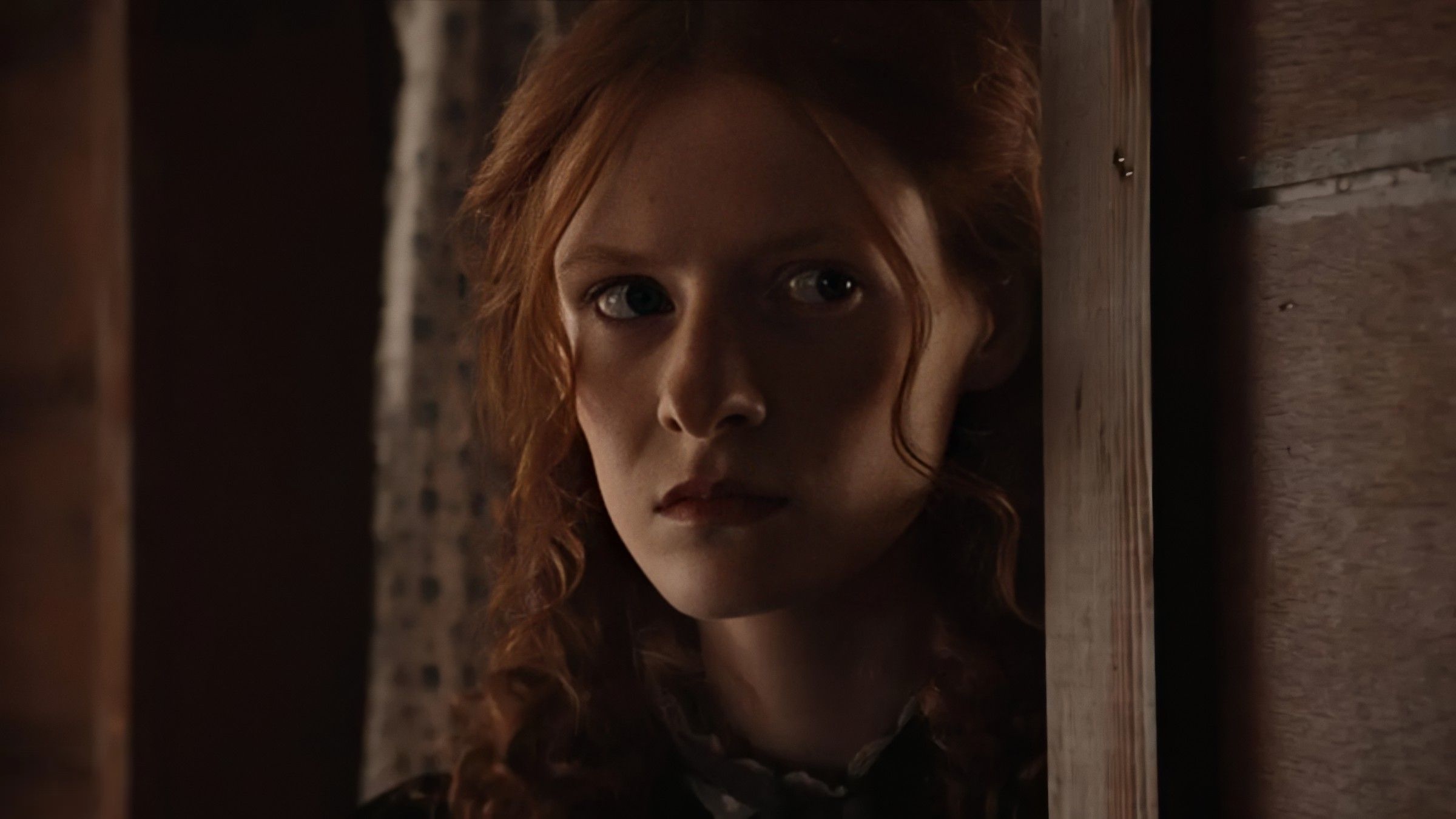
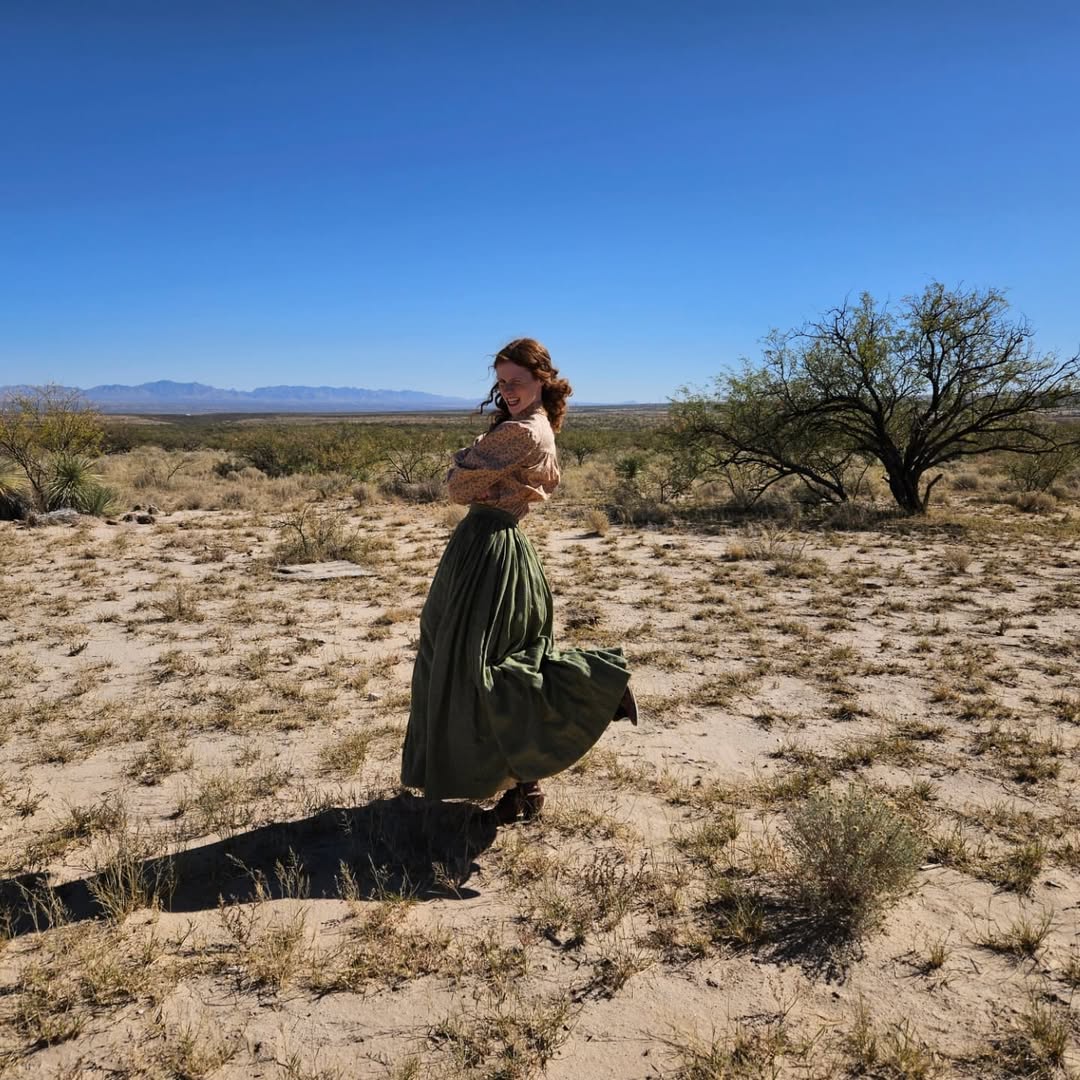
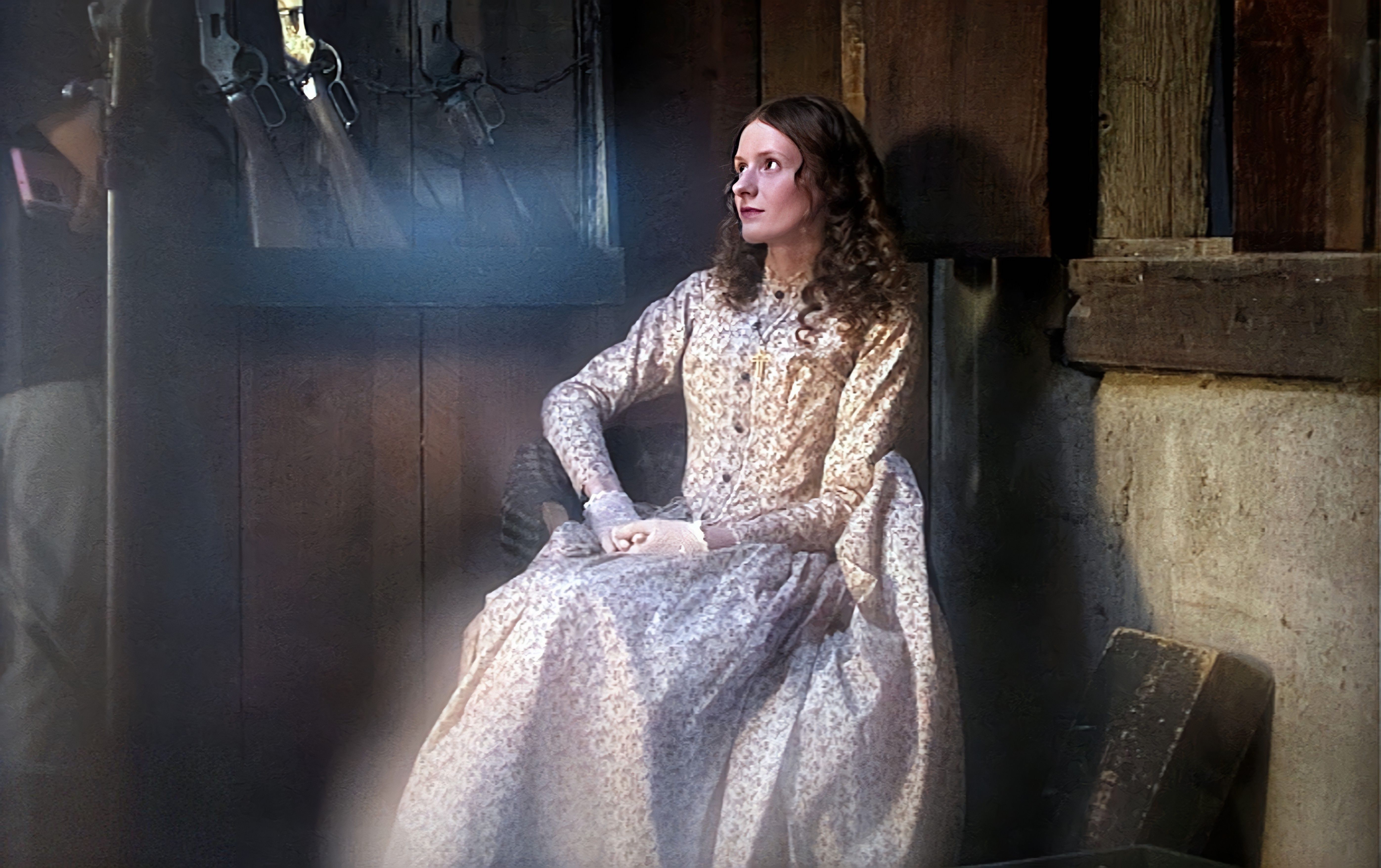
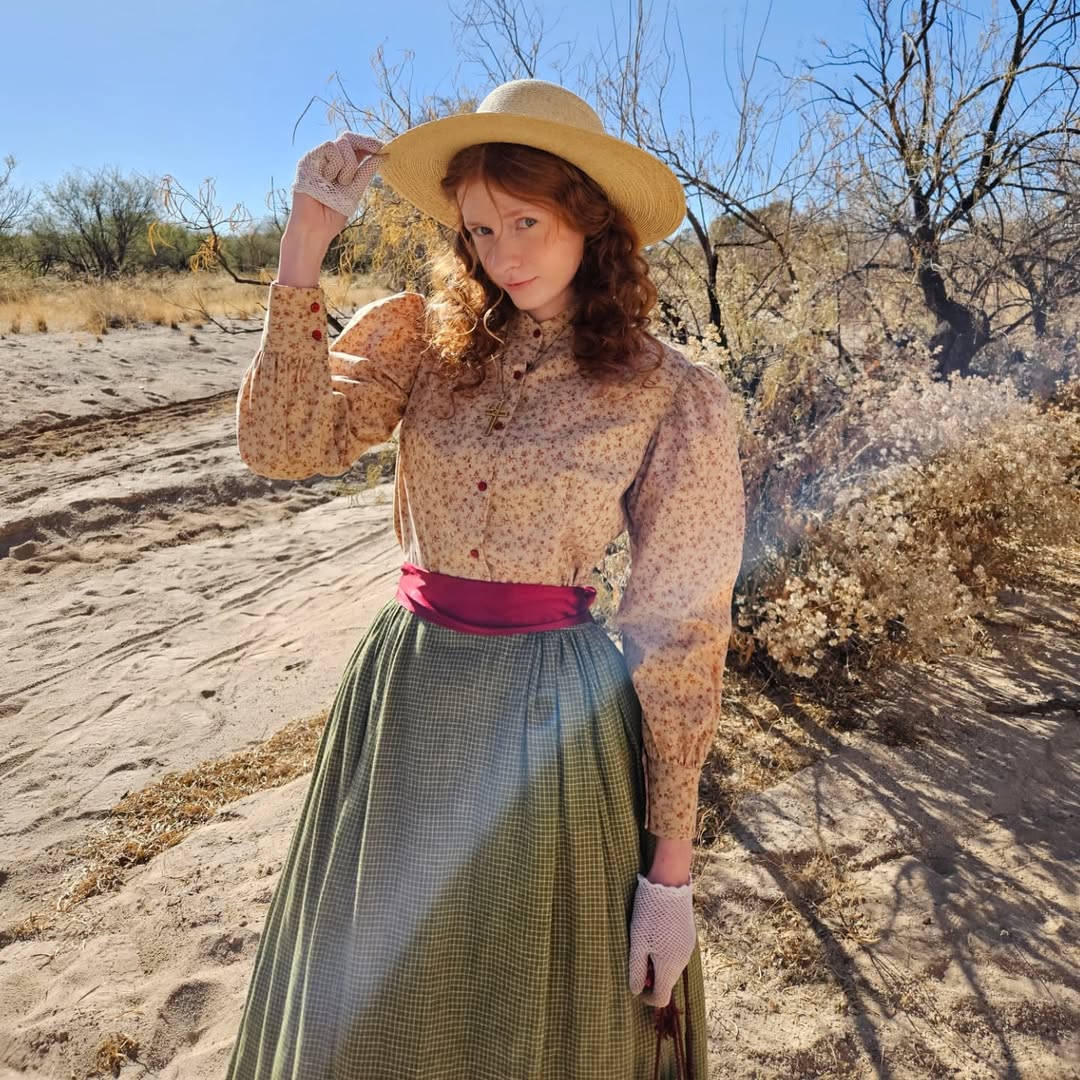
Amariah plays "Rose," the daughter of the Colonel Chandler, and a religious zealot. Amariah has been acting since the age of 6 years old, starting out in theatre and then pursuing film at around the age of 10 years old. She loves acting because "it is so much bigger than life and I love telling a story and creating characters that the audience can fall in love with."
Amariah's list of film roles include Saturnalia, an Italian Giallo feature film set in 1979 in which she played a student at a school that isn't quite what it seems. She also portrayed a teenage stoner in Muddy Goes To College about an intelligent dog who goes to college in the middle of Amish country and faces a conniving dean who plots to claim him as his own scientific discovery. Her most recent work, Florida Man, is another horror film, taking place in Florida about a group of friends and a sinister beach house. (Based loosely on this film's crew lodging in Arizona.)
 |
 |
 |
 |


|
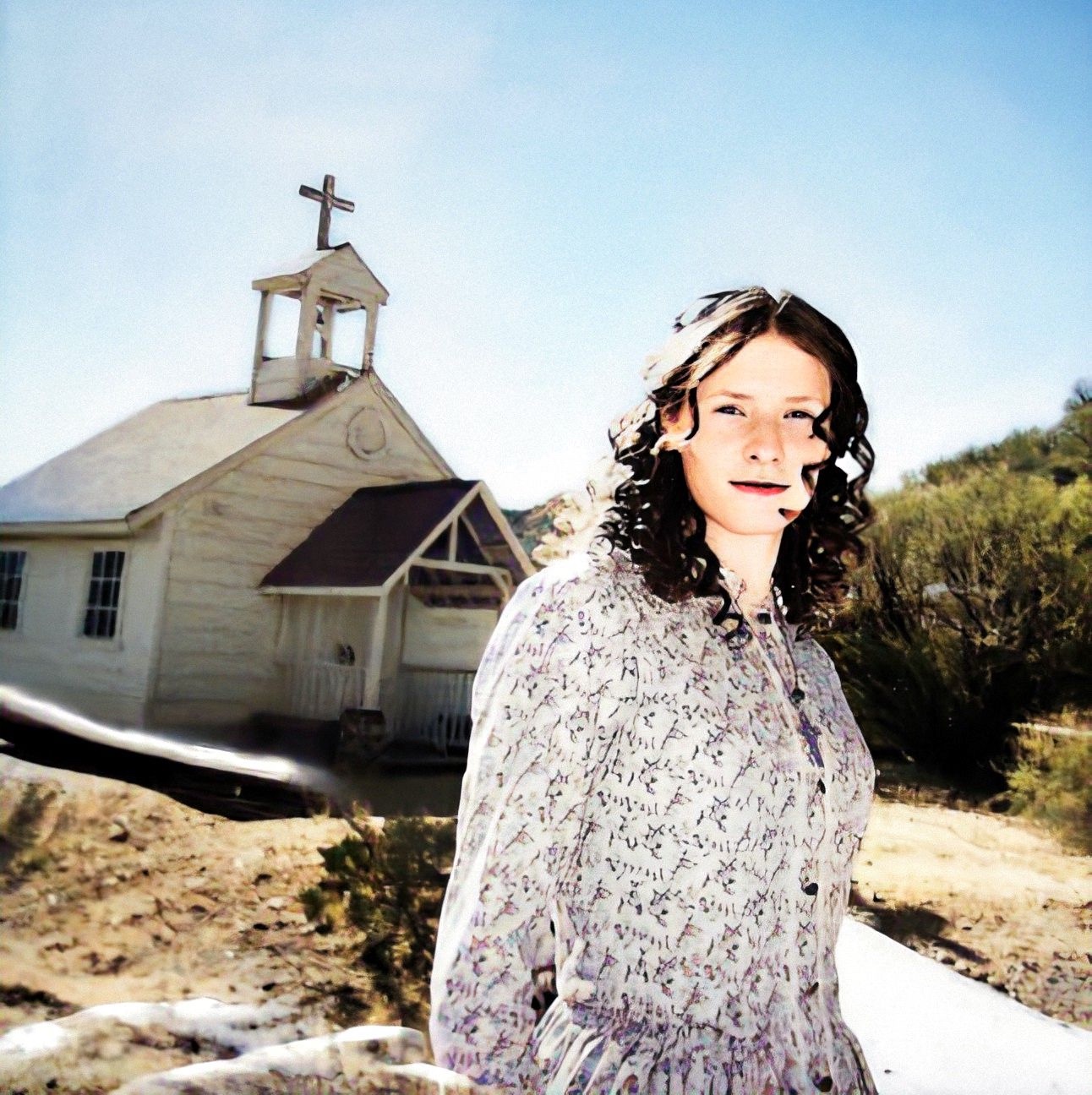
Westward expansion altered American society because new communities were often established without the social rules of the church to govern behavior. On the frontier, many Americans perceived a decline in public morality and civic-minded behavior and a rise in antisocial activities such as drinking, dueling, gambling, and prostitution. For many, religion was the glue that held together civilized society.
Women had few rights on the frontier but within religion, they could have power. Women couldn't be ministers at this time, but they could participate in church societies and activities as a way to socialize and effect change. They could even exert influence over their husbands; they could admonish the men for their wrongdoings if they were doing it in the name of God. A husband may have been the head of his household, but God's word trumped all, and it was difficult for a man to object to or complain.
While Native Americans adapted to the new ideas the whites brought, some aspects of the white man's religion puzzled them. One of the most disturbing trends Indians identified was the difference between how Christians behaved and what they preached. In his 1833 autobiography, Sauk leader Black Hawk decried this: "The whites may do bad all their lives, and then, if they are sorry for it when about to die, all is well? But with us it is different: we must continue throughout our lives to do what we conceive to be good."